




 BBC News
Borrowing was £17.4bn last month, the second highest October figure since monthly records began in 1993.
Finito World
For years, the most influential minds in Silicon Valley—Elon Musk among them—have insisted on a strange paradox: AI, while disruptive, will be a net creator of jobs. Just wait, they tell us, and you’ll see—new roles will spring up to replace the old. The machines will take the drudgery, and we’ll step into more creative, higher-value roles.
So far, it’s proving to be a seductive fable.
Take Amazon. This week, the tech leviathan announced it will axe 16,000 more jobs, just months after already cutting 14,000 roles. All of this is part of something chillingly named Project Dawn—a phrase that makes Orwell look like an optimist. Add in the 70 grocery stores it’s shuttering, and we’re left wondering: where’s the dawn? From where many workers are sitting, it feels like dusk.
What’s happening is this: the redundancies are happening even as Amazon aggressively doubles down on AI, cloud computing, and automation. If these technologies are meant to be liberators of human potential, why are they so often accompanied by a P45?
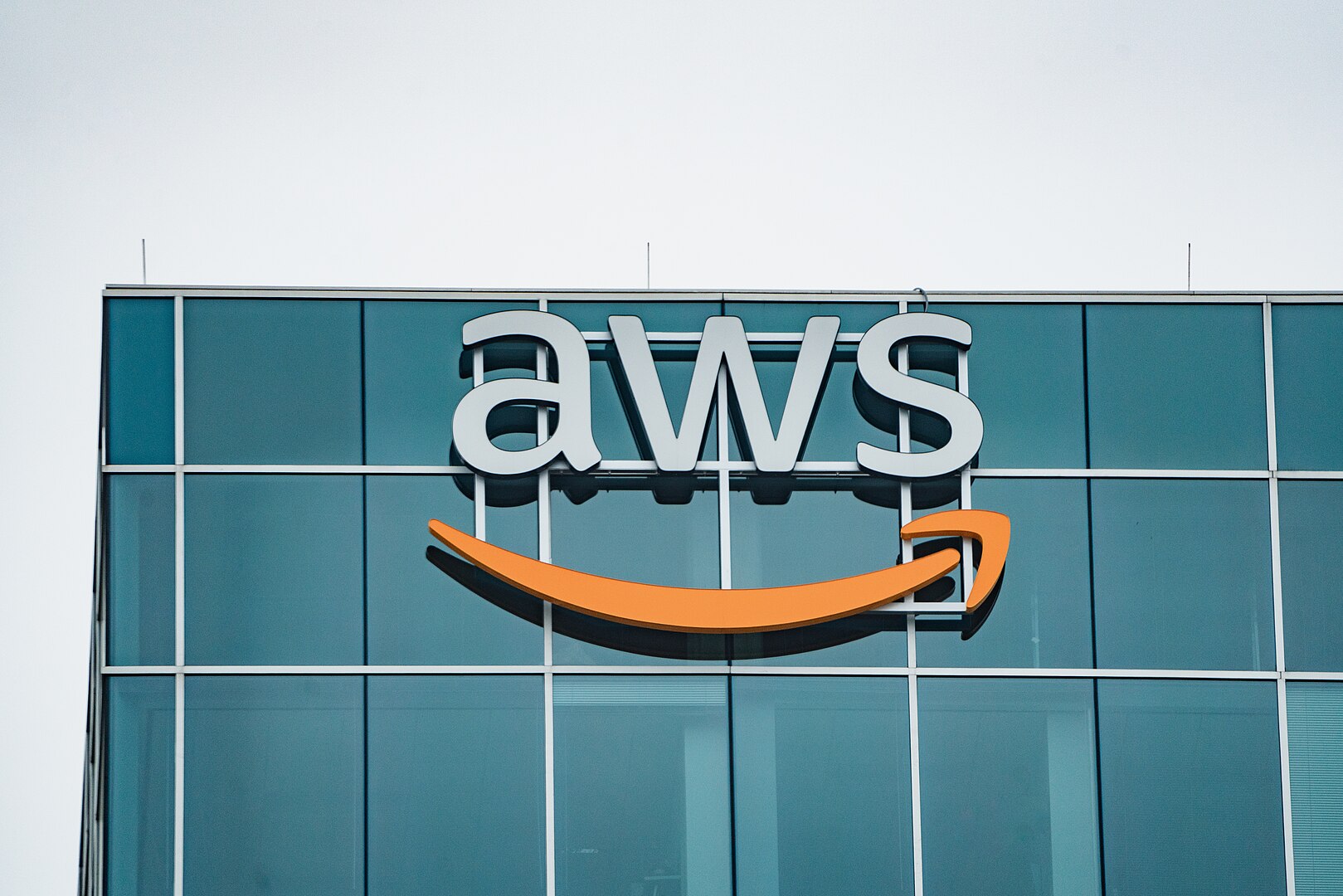
The contradiction is stark. On one hand, you have Elon Musk telling the world in Davos-style keynotes that AI will “create more jobs than it destroys.” On the other, you have Jeff Bezos’ successor Andy Jassy enforcing full-time office mandates, cutting grocery stores, and quietly laying off thousands in AWS—Amazon’s AI-rich, cloud-drenched profit centre. These aren’t warehouse roles disappearing; they’re corporate, engineering, and technical jobs. The very people meant to “move faster for customers,” as the company’s leaked email put it.
This isn’t just a story about Amazon. It’s about how the AI revolution is unfolding in the real economy. The upbeat tech gospel—”learn to prompt, retrain, reinvent yourself!”—sounds increasingly hollow if even the most agile workers inside a trillion-dollar tech firm are being shown the door.
In truth, we may be seeing a recalibration of capitalism itself. The old trade—efficiency in exchange for stability—is breaking down. Workers are told to embrace agility, but the companies aren’t reciprocating with anything resembling loyalty.
Nor is government prepared. If AI is genuinely going to displace jobs at scale, we’ll need better safety nets, smarter retraining schemes, and a national conversation about what meaningful work looks like in the age of automation. “Rethink everything,” Jassy said in a company-wide email last year. Fair enough. But policymakers, educators—and the tech titans themselves—must rethink too.
Because right now, the jobs are vanishing faster than they’re reappearing. And until we see a credible plan for where the new ones are coming from, the Musks of this world should tread more carefully with their promises.
After all, it’s not “Project Dawn” for everyone.