




 BBC News
Borrowing was £17.4bn last month, the second highest October figure since monthly records began in 1993.
Finito World
“The UK made a mistake in shutting down the North Sea,” Donald Trump remarked after meeting Sir Keir Starmer earlier this year. “They’ve got tremendous reserves. They should open it up.”
It was a characteristically blunt intervention from the American President. Yet behind the rhetoric lies an interesting question: what would happen to employment if Britain did indeed reopen the North Sea to a new generation of oil and gas development?
The answer is more nuanced than either side of the political argument often suggests. Opening new fields would neither rescue the British economy single-handedly nor be economically inconsequential. Rather, it would represent a statement about the sort of country Britain intends to be: one that remains willing to invest in heavy industry, engineering and domestic production—or one that increasingly imports what it no longer produces itself.
The North Sea is no longer the bonanza it was in the 1970s and 1980s. Most of the great fields have already been discovered, and today’s projects tend to be smaller, technically more demanding and more expensive to develop. Yet the sector remains one of Britain’s most productive industries. It supports around 200,000 jobs directly and indirectly, from offshore workers and geologists to welders, software engineers, fabrication yards, shipping companies and specialist manufacturers.
For employment, perhaps the most important point is not the creation of entirely new industries but the preservation of existing expertise. Once skilled workforces disappear, they rarely reassemble easily. Aberdeen illustrates both sides of this story. It became one of Europe’s wealthiest cities because of the offshore industry; yet downturns in investment have repeatedly demonstrated how quickly high-value employment can evaporate when confidence retreats.
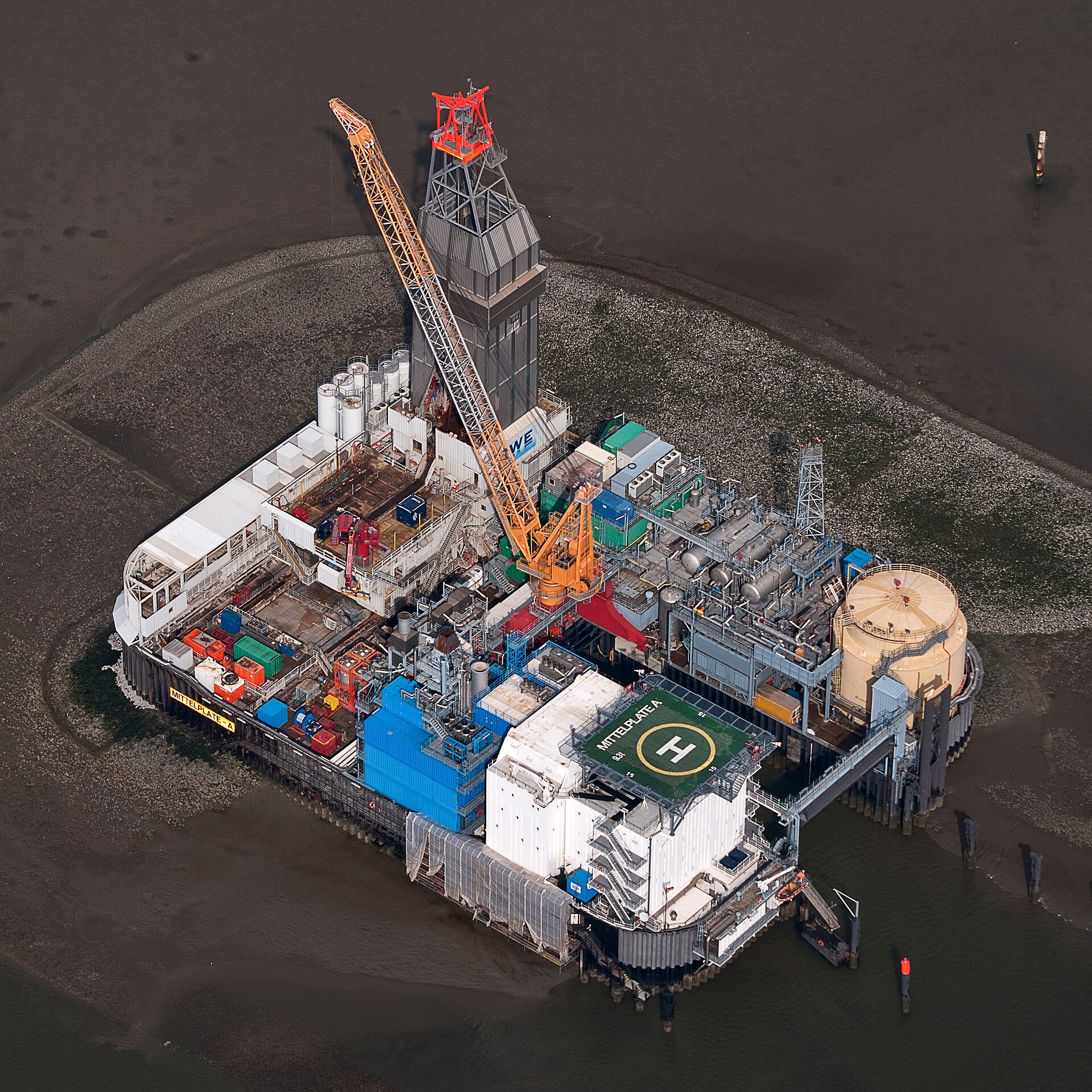
Opening additional fields would almost certainly lead to several years of intensive capital investment. New platforms require steel fabrication, subsea engineering, logistics, environmental surveying, digital monitoring systems and specialist maintenance. Each major project creates work not merely for oil companies but for hundreds of firms across complex supply chains. The beneficiaries are often precisely the sorts of advanced engineering businesses that governments frequently claim they wish to encourage.
Critics rightly point out that new drilling would not dramatically reduce household energy bills. Oil and gas are traded on international markets, and British consumers pay global prices regardless of where molecules originate. Nor would the tax revenues transform the public finances. Even several billion pounds annually would amount to only a fraction of total
government expenditure.
Yet employment is not measured solely by Treasury receipts.
The wider economic benefit lies in investment itself. Large industrial projects create apprenticeships, sustain technical colleges, encourage research partnerships with universities and provide long-term career paths for highly skilled workers. These are jobs that are difficult to offshore precisely because they depend upon physical infrastructure and accumulated expertise.
There is another consideration which has become increasingly important since Russia’s invasion of Ukraine. Energy security is also labour security. Countries that remain capable of producing strategic resources tend to retain the industrial capabilities that accompany them. If Britain continues consuming oil and gas—as virtually every serious forecast suggests it will for many years—then choosing not to produce them domestically does not eliminate employment tied to fossil fuels. It merely relocates those jobs to Norway, Qatar, the United States or elsewhere while Britain imports the finished product.
This is not an argument against the transition to cleaner energy. Indeed, many of the engineering firms serving offshore oil are already applying the same skills to offshore wind, carbon capture, hydrogen and subsea electricity infrastructure. The capabilities are often complementary rather than mutually exclusive. An orderly transition arguably depends upon maintaining the industrial base that will build tomorrow’s energy system.
There are, of course, legitimate environmental objections. New fields take years to develop and raise difficult questions about Britain’s climate commitments. Governments must weigh those considerations carefully. But the employment debate deserves greater honesty than it often receives. The real choice is seldom between drilling and using no hydrocarbons whatsoever. It is more frequently between producing domestically under British regulation or importing from countries operating under very different standards.
Perhaps that is why the discussion resonates beyond energy policy. Britain has spent much of the past two decades debating how to improve productivity, revive manufacturing and create high-quality employment outside financial services. North Sea drilling has become symbolic of a larger question: does the country still possess the confidence to undertake ambitious industrial projects, or has it become more comfortable managing decline than creating growth?
Trump’s criticism may have been provocative, but it forces an uncomfortable reflection. Employment policy is not simply about tax rates, welfare reform or skills programmes. It is also about whether governments create the conditions in which businesses believe long-term investment is welcome.
The future of Britain’s labour market will not be decided in the North Sea alone. But the signals sent there may tell us rather more about the future direction of the British economy than many politicians care to admit.