


 BBC News
Borrowing was £17.4bn last month, the second highest October figure since monthly records began in 1993.
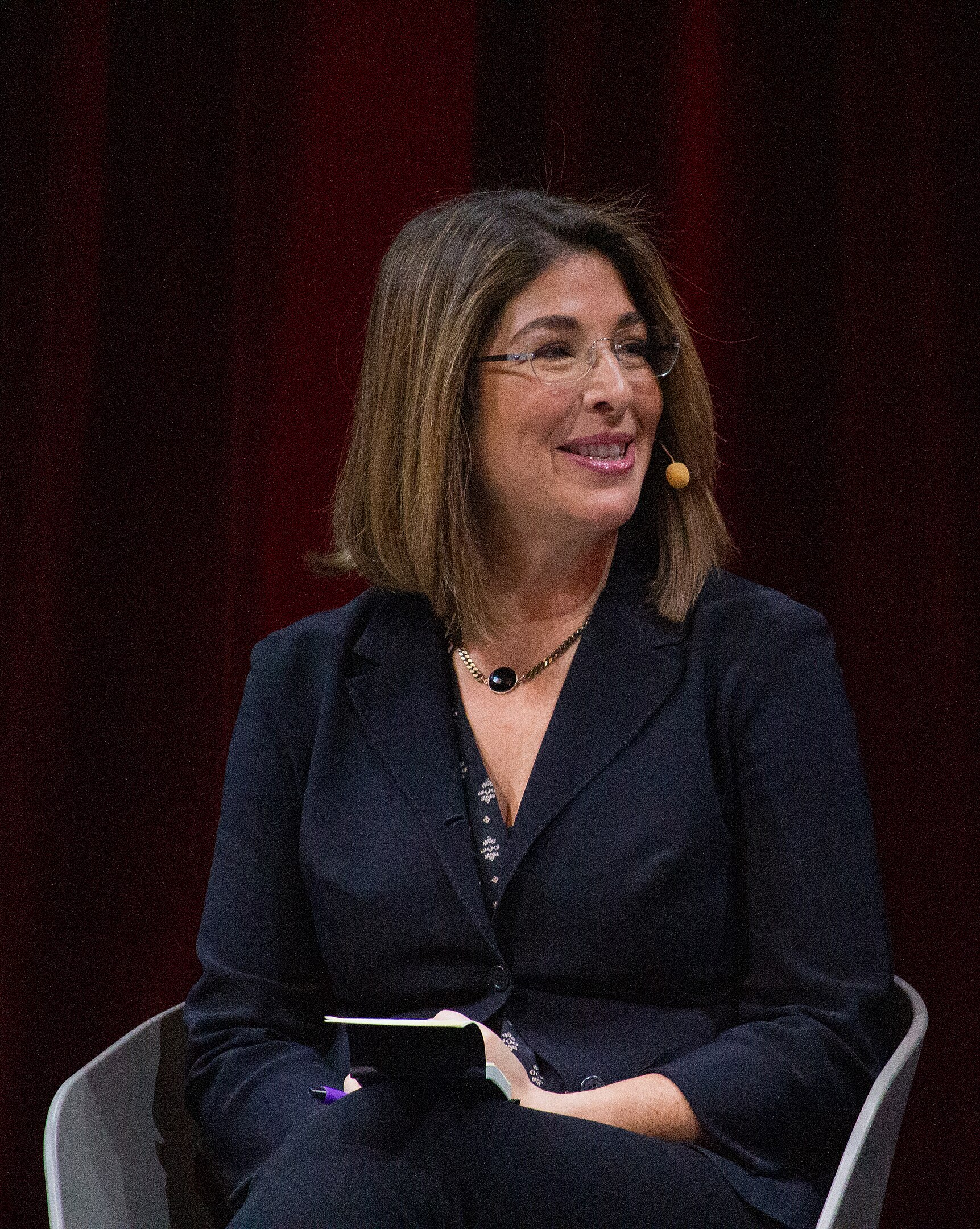
Naomi Klein
We are living amid an explosion of doubles—digital replicas, curated avatars, shadows we polish and present as ourselves. When I first began writing about these phenomena, I touched only lightly on artificial intelligence; ChatGPT had not yet been released, and our anxieties were still primarily about deepfakes. What I could not yet see was how quickly we would find ourselves inside an entirely new mimetic landscape, one in which the mechanization of speech and the smoothing of expression render us more replaceable by machines precisely because we begin to behave like them. The more formulaic art becomes, the easier it is for algorithms to pass for its creators.
We are now on the cusp of a mirror world expanding with stunning speed, entering spaces we once relied on as alternatives to precisely this kind of enclosure. Universities, for instance, have moved with breathtaking swiftness from anxiety about students using AI to write their essays to actively urging professors to use the same tools to teach in their place. This rush towards the synthetic is not just cultural or intellectual—it is profoundly material and vampiric.
AI feeds on the creative labour of artists whose work has been scraped without permission, leaving them to compete not only with the endless stream of influencers recycling their styles, but with machine replicas of themselves. And it feeds, too, on the physical lifeblood of our world: the water evaporating to cool data centres, the fossil fuels powering computational infrastructures whose scale is almost impossible to fathom. To build this mirror world, we quite literally sacrifice the animate one—and we are told not to worry, because AI will solve climate change for us.
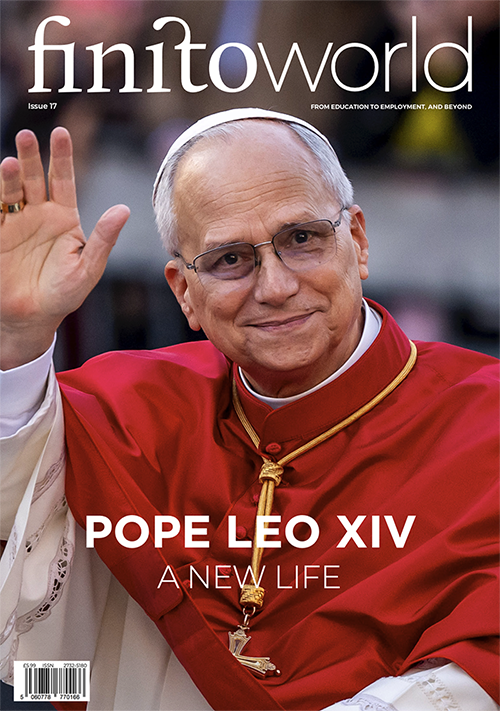
Before his death, Pope Francis was turning his attention sharply to this contradiction. In 2015, when I was at the Vatican for the launch of Laudato Si’, I watched a profound theological struggle unfold. Some framed the encyclical as a continuation of the Church’s longstanding environmental work; others saw it as a rupture. In my reporting, I quoted Father Sean McDonagh, who spoke with striking candour about being raised in a Church that taught its followers to hate this world. He reminded us of a Latin prayer once recited after communion: teach us to despise the things of the earth and to love the things of heaven. If we are to defend this earth, he argued, we must finally confront and overturn that worldview.
In many ways, Laudato Si’ was an invitation to re-enchant the world—to find the sacred here, not elsewhere. And Francis, whose namesake ministered to plants and animals as kin, extended the notion of fraternity beyond the human realm to all living beings. This, of course, was controversial in some quarters. I remember a headline in The Federalist appearing around the encyclical’s release: Pope Francis: The Earth Is Not My Sister. The panic was telling; re-enchantment threatens entrenched hierarchies.
For me, re-enchantment is not an abstraction. I live in British Columbia, a place where sacredness was never fully extinguished, though settler colonialism tried. Eighty percent of the province remains unceded Indigenous land, with no treaty and nothing but papal bulls—repeatedly petitioned for rescission—to justify its appropriation. The sacred is present everywhere: in Coast Salish art, in the land itself, in the potlatch ceremonies that were once criminalized, in the masks that were stolen and circulated through the Western art world.
While researching a piece for Pankaj Mishra’s forthcoming journal, I found myself tracing the surrealists exiled during the Second World War who stumbled upon these Northwest Coast masks in New York second-hand shops. They recognized their power immediately. André Breton believed he had found the original surrealists in those objects. In Indigenous cosmologies, those masks are portals between worlds—yet they were portals violently taken. There has been a long, ongoing struggle to repatriate them. When the Breton family returned the mask they held, they joined a ceremony bringing it home, acknowledging the rupture and helping to mend it.
Re-enchantment, then, is often less about invention than unearthing: listening to what was always here, to knowledge systems that survived despite sustained efforts to silence them. And it is, I believe, inseparable from feminism—from the work of restoring what patriarchal and colonial systems deemed inferior, irrational, or disposable.
As we confront the loneliness of the mirror world and the seduction of its synthetic infinities, the task before us is not to invent meaning anew but to defend the animate world—to stay connected to the living, tangible presences that have always grounded human purpose. The enchantment never truly vanished; it was suppressed, marginalized, mocked. But in every place on earth, someone held on to it.
To resist the vampiric pull of AI’s extractive logic, we cannot retreat into nostalgia or technophobia. We need instead a politics—and a spirituality—capable of honouring this world as sacred, not as raw material for another. The mirror world will keep expanding. But we can still choose which world we nourish.