




 BBC News
Borrowing was £17.4bn last month, the second highest October figure since monthly records began in 1993.
Finito World
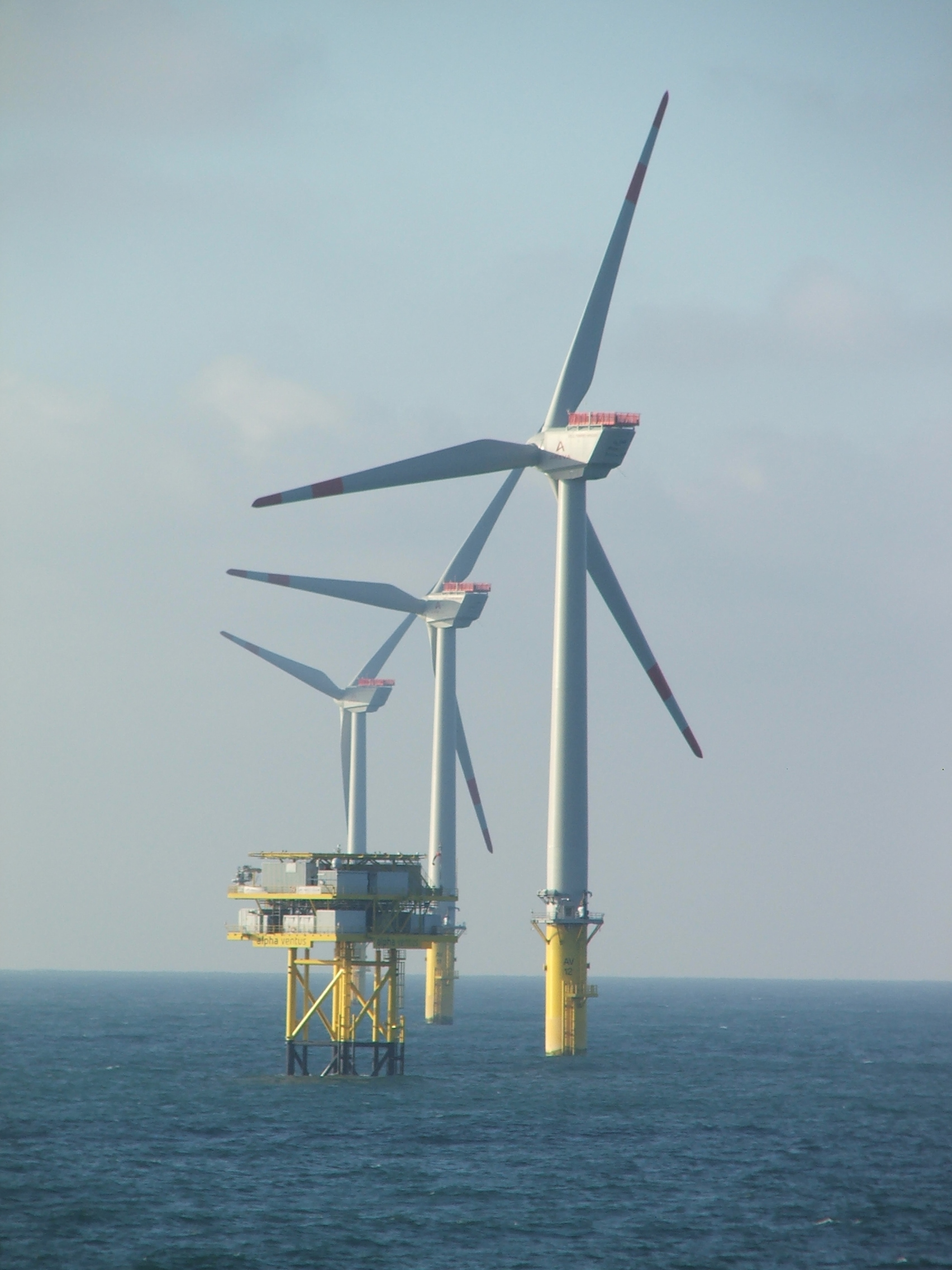
The UK’s latest offshore wind auction has broken records—8.4GW of new capacity awarded, spanning England, Scotland and Wales. At first glance, this is a story of triumph: a tangible step toward decarbonisation, national resilience, and future-facing energy independence.
But beneath the celebratory headlines, tougher questions await—particularly for those of us interested in the long-term employability and structural sustainability of the green economy.
Offshore wind is not just a climate solution. It is also a workplace. It requires civil engineers and marine specialists, digital modelers and drone operators, welders and weather forecasters, data scientists and project managers. As such, it is emblematic of a wider shift in the skills landscape—a growing demand for roles at the intersection of energy, infrastructure, and digital technology.
And yet, one of the paradoxes of this transformation is that while the offshore wind sector promises jobs, it doesn’t yet provide job certainty.
Many of the jobs are geographically limited—located on coasts, far from urban centres and often beyond reach of the existing skills base. Others are intermittent or project-based, with long delays between site approval and construction. And while it is tempting to view these new energy investments as direct replacements for fossil-fuel workforces, the reality is more complex: the work is different, the training pipelines aren’t yet in place, and many communities that need economic renewal are not yet part of the transition story.
Then there is the infrastructure question. Offshore wind only works if the energy can be transmitted efficiently across the UK. Yet grid upgrades—especially those required to bring power from remote Scottish sites like Berwick Bank—will take years and significant investment. Without these upgrades, all the contracts in the world won’t deliver usable energy or meaningful economic impact.
There are also emerging signs of cost tension. Developers are facing rising capital costs due to inflation, global supply chain disruption, and high interest rates. The average price awarded in this auction—£91 per megawatt-hour—is lower than new gas plants, but higher than previous offshore auctions. This raises questions about value for money and the long-term impact on consumer bills, especially when coupled with the cost of grid improvements.
Still, the fundamental logic remains sound. Gas markets are volatile. The war in Ukraine was a brutal reminder of the geopolitical costs of fossil fuel dependence. In contrast, wind is local, renewable, and increasingly reliable. The UK has some of the best offshore wind resources in the world—it would be an act of self-sabotage not to harness them.
But to make offshore wind truly work, we must do more than sign contracts. We must invest in the training and educational infrastructure that will allow British workers—especially young people—to access the thousands of jobs that will arise from the clean energy revolution. We must improve regional transport so people can get to the coast and back. And we must be honest about the timeline: clean power targets by 2030 remain extremely ambitious. We cannot afford more missteps, like Orsted’s decision to walk away from Hornsea 4 due to financial pressures.
At Finito, we talk often about “employability futures”—the idea that today’s training decisions must anticipate tomorrow’s workforce needs. Offshore wind offers a future. But it will take serious coordination between government, industry, and education providers to ensure that it is a fair, inclusive and economically transformative one.
The turbines are coming. Whether we are ready for them is another matter.