



 BBC News
Borrowing was £17.4bn last month, the second highest October figure since monthly records began in 1993.
Finito World
Machiavelli, writing in The Prince, had a piece of advice for anyone who acquires new territory: go and live there. A ruler who stays away governs at a distance, through reports and deputies, and only discovers trouble once it has already taken root. A ruler who moves in sees the disorder early, and is seen seeing it. Presence, for Machiavelli, was not sentiment. It was statecraft.
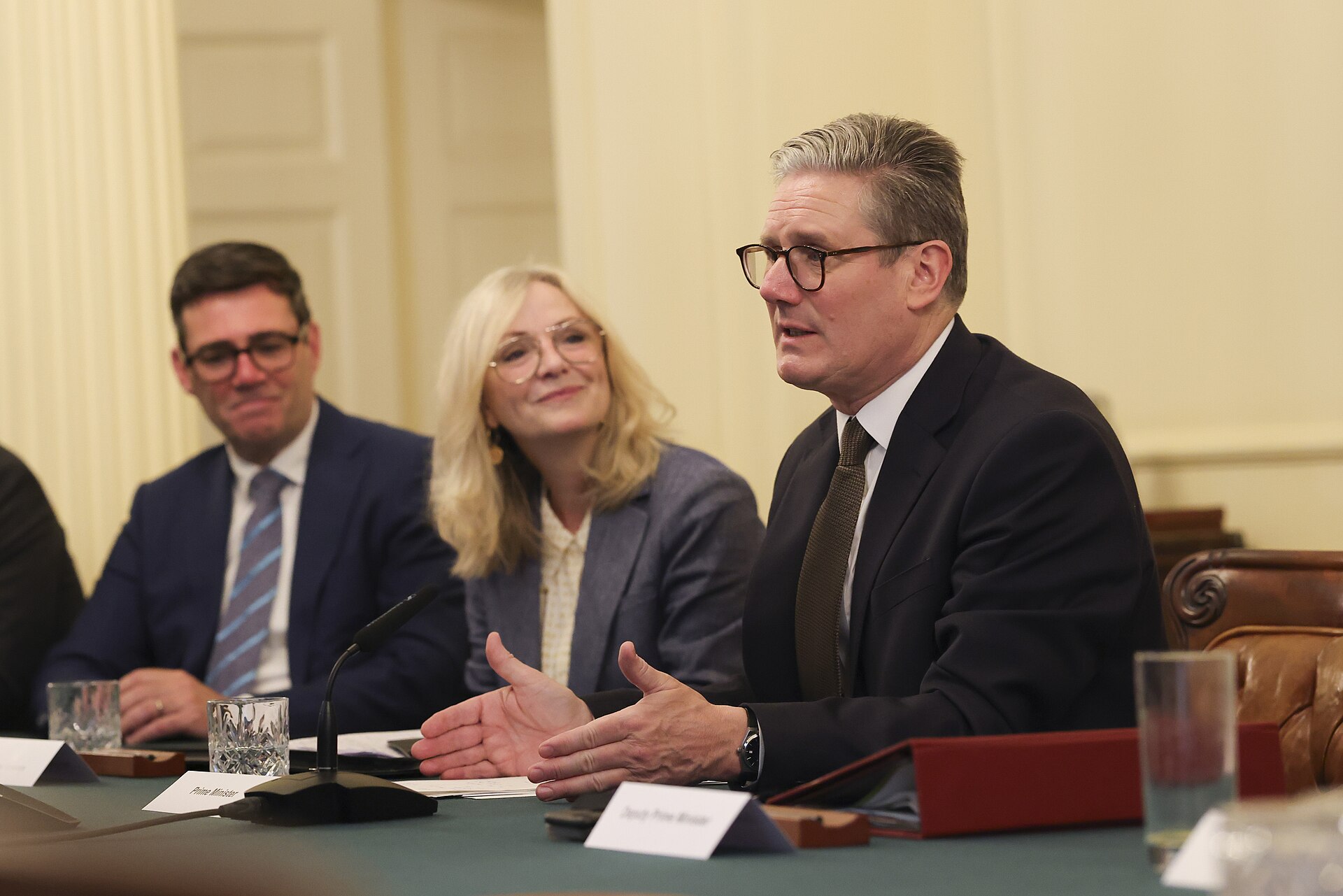
Andy Burnham’s decision to spend part of his week working from a “No10 North” hub in Manchester deserves to be read in that spirit. It is easy to hear in it an echo of gesture politics, the kind of headline that costs relatively little and promises much. But the instinct behind it, that governing the whole country requires occasionally being physically present in the parts Westminster has spent decades governing from a distance, is sound, and marks a real departure from the last decade’s regional rhetoric.
Levelling up, for all its ambition, was mostly conducted by press release. Funds were announced in London for towns its ministers rarely visited outside a photo opportunity. The country noticed. Devolved power that is never seen being exercised locally starts to feel like power that was never really devolved at all.
Optics of this kind have a way of deciding political fates that policy alone does not. Nick Clegg later admitted that letting George Osborne take Dorneywood, the grace and favour country house which could have been available to him as the then deputy minister, was a mistake he came to regret. It was not the house itself that mattered but what its absence did to Clegg. Osborne had a visible seat of authority to be pictured in front of, a marker of standing that said chancellor as plainly as any title could. Clegg had no equivalent, and in a coalition supposedly built on shared power, one half of that partnership simply looked weaker for having no symbol of its own to set against the other’s.
The same logic runs through where and how people work more broadly. Google’s King’s Cross campus was not built by accident to look the way it does, open plan, informal, deliberately unlike a Whitehall department; it is architecture making an argument about who the company believes it is. Where a government chooses to sit makes a similar argument about who it believes it serves.
None of this guarantees success. A satellite office is not a settlement, and two days a week in Manchester will not by itself rewire a state built around Westminster’s gravity. Critics are right that civil servants can be relocated up the M40 without a single decision in Whitehall actually changing.
But the underlying wager deserves more credit than that criticism allows. A mood of national drift is partly a mood of national absence. People do not trust power they never see exercised anywhere near them, and for years the regions have watched decisions about their future made and photographed exclusively in London.
Burnham has built a career on being visibly present in the place he represents, and that instinct, brought into Downing Street, is not nothing. Paradoxically, it also got him to Downing Street in the first place. Machiavelli would probably see the paradox – and warn him about that too.