




 BBC News
Borrowing was £17.4bn last month, the second highest October figure since monthly records began in 1993.
Finito World
The resignation of Richard Hughes, Chair of the Office for Budget Responsibility, has sent a tremor through Britain’s already jittery policy landscape. The official reason — an early release of Budget documents — may seem procedural, even trivial. But the fallout points to something more fundamental: the growing strain between independent institutions and political power, and what that means for jobs, growth, and trust in governance.
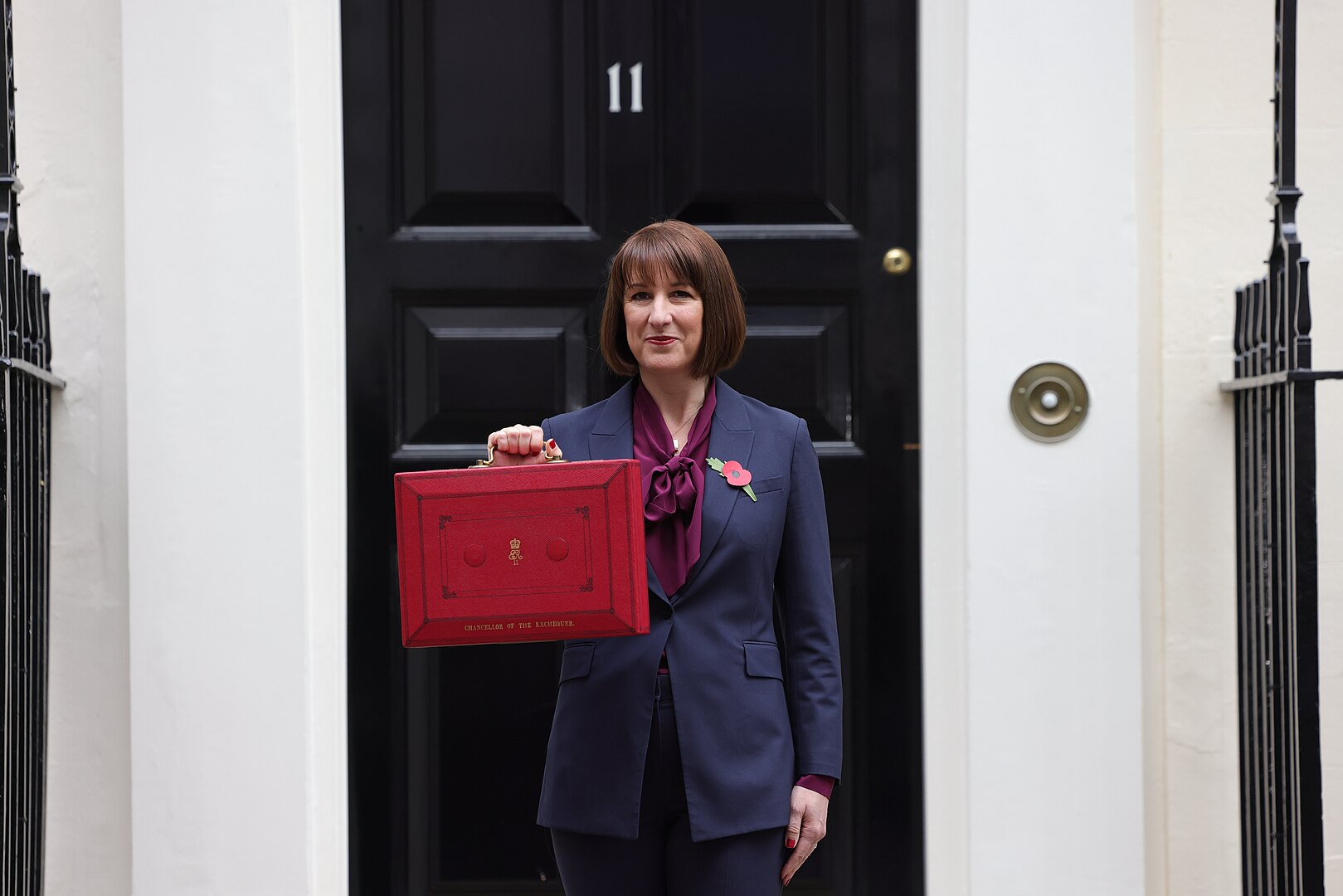
It’s easy to dismiss the OBR as a technical backroom player, issuing forecasts, costings and deficit projections that bore most voters. But to the markets — and to employers — the OBR is a lodestar of economic credibility. It underpins investor confidence in the UK’s fiscal stance. When Richard Hughes stepped down, citing the premature Budget leak but clearly alluding to deeper tensions, he handed Chancellor Rachel Reeves both an opportunity and a landmine.
The opportunity lies in shaping a new OBR relationship — one that can better align with Labour’s long-term ambitions on growth, climate, AI, and employment transformation. The landmine, however, is political interference. If the next OBR chief is perceived as too close to ministers or too malleable under pressure, confidence in UK institutions could falter, borrowing costs could rise, and the government’s wider employment plans could come under threat.
This is not mere theoretical risk. Britain’s labour market recovery, still uneven and insecure, depends on sustained investment and the perception of macroeconomic stability. Employers — especially in infrastructure, clean tech and financial services — are sensitive to signals. If they begin to doubt the reliability of official numbers, or the independence of the body producing them, hiring slows. Innovation pauses. Investment flees.
That’s why Hughes’s departure matters. He wasn’t just a technocrat; he was a symbol of fiscal discipline across five chancellors and during two of the most turbulent periods in recent UK history: the Truss mini-Budget collapse and the COVID spending era. His role was to provide friction — a check against easy promises and uncosted wish lists. The fact that such friction is now politically inconvenient should worry anyone with a stake in Britain’s economic future.
Reeves’s challenge is acute. She has already altered the OBR’s remit, pledging to respond to forecasts just once a year. That may seem a bureaucratic tweak, but it could give governments more room to manoeuvre without formal scrutiny — especially in politically sensitive spring Budgets ahead of local or general elections. If the public finances improve, the temptation to announce new spending before the OBR weighs in will be enormous. Will restraint win out?
This matters for employability in several ways. First, because sound public finances and credible oversight enable the kinds of investments — in skills, net-zero infrastructure, and education — that create sustainable jobs. Second, because it speaks to the broader culture of responsibility that job creation depends on. A government seen to bend the rules undermines the very certainty that businesses require to plan hiring rounds or apprenticeships.
There’s also a more philosophical point here. At a time when AI and automation threaten to reshape the very idea of work, we need institutions that can project trust and realism. The OBR — for all its flaws and limitations — was one such institution. It told governments hard truths. That’s why some accused it of being an “agent of austerity” or even a “deep state” force obstructing popular agendas. But such accusations are deeply short-sighted. You cannot build a fairer economy on data you’ve massaged into shape.
What happens next will be decisive. Reeves must now appoint a successor to Hughes who is both independent and capable of commanding the confidence of the markets. She must resist any temptation to dilute the OBR’s role or slow-walk scrutiny. She must show, in other words, that pro-growth doesn’t mean pro-spin.
Britain is entering a delicate phase: inflation remains volatile, tax thresholds are frozen, and AI is poised to transform entire sectors. Whether the government can prepare the workforce for that transformation depends, in part, on public trust. If people don’t believe the numbers — or believe they’re being gamed — they won’t buy into the policies either.
Richard Hughes may have gone quietly. But the consequences of his exit are loud. For Reeves, this is a test not just of personnel but of principle. For employers and workers, it’s a moment to insist that the future of work must rest on independent judgment — not political convenience.