


 BBC News
Borrowing was £17.4bn last month, the second highest October figure since monthly records began in 1993.
Finito World
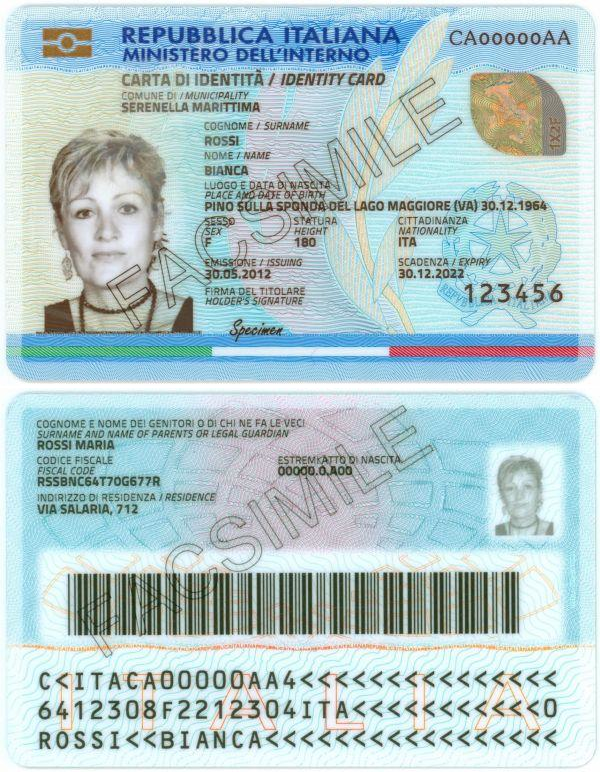
In what has become a familiar pattern for this government, the mandatory digital ID scheme—once declared essential for employment in the UK—has been shelved in favour of a voluntary model. The policy, first announced with fanfare by Prime Minister Sir Keir Starmer, would have made digital identity a condition of work. “You will not be able to work in the United Kingdom if you do not have digital ID,” he declared in 2025. Less than a year later, the position has softened dramatically.
On the face of it, this is a victory for civil liberty advocates and a retreat from an increasingly technocratic overreach. More than three million people signed a petition opposing the scheme. Reform UK, the Liberal Democrats, and the Green Party all cried victory. Even some Labour MPs were quietly relieved.
But what does it mean for employers and employees navigating a labour market already in flux?
The government’s new line—that digital ID will instead be an “enabler” of better public services—is a shift in tone, not just policy. Darren Jones, the minister in charge, now speaks of “customer-facing transformation” and “inclusive convenience” rather than border control. It is, arguably, a wiser emphasis. Yet it leaves unresolved the issue at the heart of the scheme: trust.
In an age where gig workers, hybrid teams, and remote hiring have become the norm, a unified system for verifying employment eligibility makes sense. Employers already shoulder considerable liability in checking documentation—and the current patchwork of paper-based and digital checks is inefficient and open to abuse. Few businesses would oppose a better system, especially if it reduces HR friction, hiring delays, and risk of fines.
But there is a line between streamlining and surveillance. The digital ID plan, as originally proposed, seemed to blur that boundary. For all its modern gloss, it felt like an old instinct: the urge to centralise, to mandate, to control. It lacked the nuance employers increasingly require. What happens, for instance, when a worker is competent but doesn’t own a smartphone? Or when a single system goes down? The future of employability must be flexible, not prescriptive.
From an employability standpoint, the retreat from compulsion should be welcomed—but not misunderstood. A well-designed, opt-in digital ID could still be transformative. It could speed up hiring, protect employers from liability, and make onboarding more seamless—especially for international hires. But only if trust is built gradually, with transparency and consultation, not as a top-down edict from Whitehall.
There is, in this moment, a rare opportunity: to recast digital identity as a service rather than a threat. But that means working with the private sector—not merely regulating it—and listening to the lived reality of employers, educators, and jobseekers alike.
This U-turn may spare the government another political headache. But the future of work will still require hard thinking about identity, privacy, and the systems that bind them. We need that conversation to be less about compliance—and more about competence, trust, and access.