


 BBC News
Borrowing was £17.4bn last month, the second highest October figure since monthly records began in 1993.
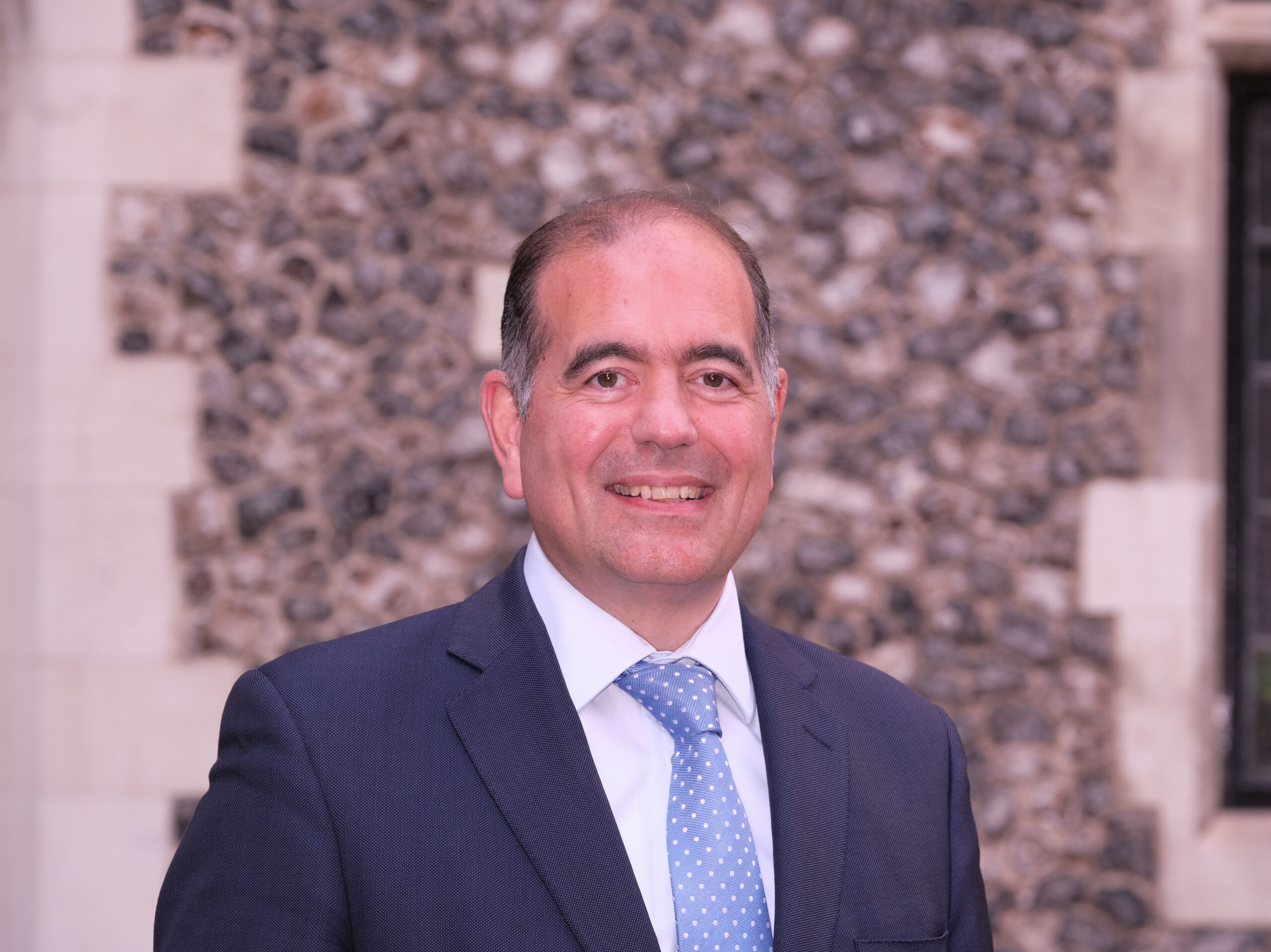
Ronel Lehmann
As the year draws to a close and we gather with loved ones around cheerful tables, there’s an unspoken magic in the air – not just in fairy lights and festive songs, but in the quiet acts of giving that ripple far beyond the moment. At Christmas, generosity often comes into sharper focus. Yet the stories behind that generosity – the reasons people give, the hidden impact of kindness – deserve a closer look.
In the year just gone, the Finito Bursary Scheme has revealed something profound about how generosity moves through society: it builds futures. Our scheme, designed to help young people from less advantaged backgrounds gain mentorship and job opportunities, is a case study in how compassion, when intelligently applied, becomes a lever of economic empowerment.
As former Minister for Skills Robert Halfon wrote in his introduction to our inaugural bursary report, which we will release early next year, what matters most is “the ladder of opportunity.” He spoke not just as a policymaker but as a human being who believes in transformation through support. That ladder isn’t built from public funds alone; it is formed by the outstretched hands of donors, mentors, and quiet supporters — people like you.
We often think of giving as charity, but it is much more. According to research from Indiana University’s Lilly Family School of Philanthropy, charitable giving in the UK contributes an estimated £20 billion to the economy each year. This is not a side note – it’s an economic engine, quietly turning over, helping to reduce inequality and drive productivity. When you support someone’s education or help them into work, you don’t just change one life; you shift the trajectory of an entire community.
The Finito report is filled with stories that make this point tangible. Leah Houston, a mentee from Northern Ireland, put it best: “It was as if I was being seen for the first time.” Her words cut to the core of what giving does – it confers visibility, agency, and belief. In economic terms, it translates into capability and confidence – two undervalued assets in any economy.
Another bursary recipient, Yassen Ahmad, captured this transformation when he said: “Finito mentoring has meant a lot more than just becoming employable… it has also helped me grow and develop beyond the confines of my limited perception of the world.” His journey – from financial struggle to a career in software engineering – was made possible by a simple act: someone choosing to care.
And care multiplies. Research from Oxford University has shown that early intervention in the form of mentoring and education increases future income by as much as 20 per cent. More importantly, it reduces the social costs of unemployment, mental health challenges, and disengagement. The cost of not giving is, quite literally, poverty.
The reasons people give are many and varied. Some are repaying their own debt of gratitude, others are paying forward a kindness they once received. As one Finito donor told us: “All it took was one brief telephone call from Ronel and I felt compelled to help. I did not wish for anything in return.” In that sentence lies the heart of Christmas: giving without expectation.
This instinct isn’t just moral—it’s vital. Economist Mariana Mazzucato has written persuasively about the “entrepreneurial state,” but there is another actor in her thesis we too often overlook: the entrepreneurial citizen. These are the people who invest in others, not for return, but for regeneration. They are, in essence, angel investors in the human spirit.
We must also note the unexpected benefits to the givers themselves. One Finito mentor, a senior executive, remarked: “The social and welfare challenges I faced in mentoring stretched me. It made me better.” This echoes a growing body of psychological evidence showing that giving increases happiness, reduces stress, and even extends lifespan.
Kindness, then, is not just emotional currency – it is societal infrastructure. It connects aspiration to opportunity. It transforms isolation into inclusion. It breaks the cycle of poverty and replaces it with one of progress.
As we reflect this Christmas, I am reminded of Tolkien’s Bilbo Baggins, who said, “It’s a dangerous business… stepping out your door.” Indeed it is. I happen to know, because he keeps telling me, that Tolkein is Robert Halfon’s favourite author. And Robert would agree that when we step out not just with caution, but with compassion – when we build ladders for others – we start a journey that redefines our society.
In the pages of our forthcoming report, and in every mentee we support, we find proof that kindness is not just a virtue – it is a policy. It is a strategy. It is an economy in its own right.
And at this time of year, perhaps more than ever, it is also a reason for hope.
Ronel Lehmann is the Founder and CEO of Finito Education.