



 BBC News
Borrowing was £17.4bn last month, the second highest October figure since monthly records began in 1993.
Sarah Tucker
The howler monkeys arrived at dawn on the roof of our hut at Pachira Lodge, calling out as if they had something urgent to say. We had trekked into the rainforest the afternoon before hoping to hear them and had found nothing. Now they were inches above our heads, unapologetic and loud.
My son sat up in bed and laughed.
“Well,” he said, “that’s efficient.”
He is twenty-seven. I am sixty-one. We had not travelled alone together for more than a decade. The last time we did, he was a teenager, and we went to Madagascar. A week before departure he rang me and asked whether he really had to go. At the time, that reluctance felt personal. In retrospect, it was simply honest.
This trip was different. There was no work, no schedule dictated by anyone else, no sense of obligation. We travelled together because we chose to. That choice changed everything.
Much of my life has been spent travelling for work, often with my son when he was younger. He was always good company, curious, calm and respectful. But travelling with a grown-up child is not an extension of parenting. It requires a different posture altogether. Less guidance. Less management. More trust.
We are both, now, in a good place. He is studying drama, working in theatre, thoughtful about the world and his place in it. I am still writing and lecturing and have returned to things that bring me joy. Neither of us needed the trip to fix anything. That turned out to be the most important factor.
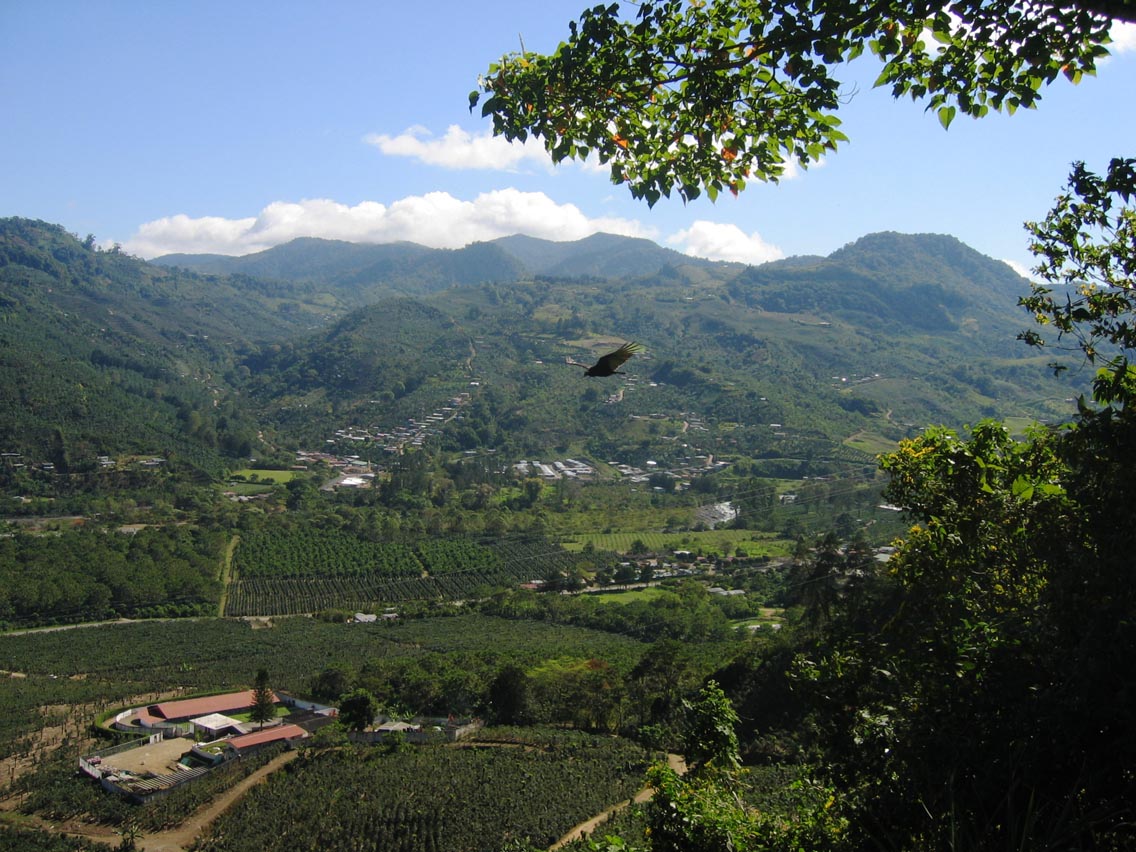
Costa Rica gave us space. Warmth. A pace dictated by nature rather than productivity. In Tortuguero, the rainforest pressed in close. At night we searched for frogs so perfectly camouflaged that later I had to check my photographs to see whether I had captured animals or leaves. He spotted armadillos and iguanas with patient focus. Christmas passed quietly, without noise or urgency. There was time to sit, eat and talk without watching the clock.
Conversation deepens when nothing is competing with it.
As we moved through Arenal, Monteverde and Manuel Antonio, decisions were made together. Early starts were accepted without resistance. Activities were chosen collaboratively. There was no sense of performing for each other, no need to impress. Just shared experience.
In the evenings we played cards and chess. He won at chess every time. I won some of the card games. Winning and losing were treated the same way. Calmly. Without drama.
He stayed connected to his life at home, calling his girlfriend each day, watching football when he could. Distance did not create separation. It simply allowed each of us to be fully ourselves.
Our final days on the Osa Peninsula were spent hiking, reading, practising yoga, kayaking and watching wildlife move through the gardens as if we were incidental. Christmas Day passed without television, consumerism or obligation. I realised then that I was not spoiling him with this trip. I was allowing myself to experience him as he is now.
Travelling with a grown-up child works when neither of you is trying to reclaim the past or control the present. It works when you meet as adults, equally curious, equally responsible for yourselves.
Costa Rica did not create that dynamic. It revealed it.
Back home, the photographs on my walls have changed. The teenage pictures are gone. In their place are images of two grown-ups, waterfalls, volcanoes, birdlife and unguarded smiles.
I am not counting time.
I am making every moment count.
What Travelling with a Grown-Up Child Teaches You About Leadership
You do not need to travel with your grown-up children to recognise these lessons. But travel has a way of making them visible quickly, without the usual buffers of routine, hierarchy or distraction.
Presence is not passive
Being present does not mean opting out of leadership. It means paying attention before acting. The most effective leaders are not the loudest or the most directive. They are the ones who notice what is happening and respond accordingly.
Autonomy creates cooperation
When people choose to be somewhere, rather than being told they should be, resistance falls away. This applies to teams as much as families. Choice creates responsibility. Responsibility creates engagement.
Hierarchy dissolves in unfamiliar environments
Remove people from their usual roles and something interesting happens. Expertise becomes situational. Leadership becomes fluid. The person who knows the map leads. The person who sees the detail guides the group. This is how high functioning teams operate, even if organisational charts suggest otherwise.
Listening builds more trust than instruction
Long conversations without agenda reveal how people think, not just what they think. Leaders who listen without interrupting or correcting gain insight that cannot be accessed through meetings or performance reviews.
Rest is not a reward
Sustainable performance requires recovery. Travel makes this visible because exhaustion shows up quickly. Businesses that treat rest as optional or indulgent eventually pay for it elsewhere.
Connection does not require constant proximity
Strong relationships allow for independence. Staying connected does not mean being enmeshed. The healthiest systems, personal or professional, allow people to move freely without losing cohesion.
Enjoyment is a serious metric
If you cannot genuinely enjoy the people you are building with, something is misaligned. Respect matters. Capability matters. But enjoyment is often the earliest indicator of whether a partnership will endure.
Growth happens when no one needs fixing
The most productive environments are not rescue missions. They are spaces where people arrive whole, curious and accountable for themselves. Travel exposes this truth quickly. So does business.
In the end, leadership looks less like control and more like shared navigation. Less like authority and more like trust. When that balance is right, progress feels lighter, decisions feel cleaner, and relationships last longer.
That applies whether you are travelling through a rainforest or building something from scratch.