


 BBC News
Borrowing was £17.4bn last month, the second highest October figure since monthly records began in 1993.
Sarah Tucker
A reluctant golfer reflects on sustainability, the good life, and how green thinking doesn’t always need to scream apocalypse.
Over the past year, I’ve started to pay closer attention to the small things, the quiet details that tend to go unnoticed until they’re designed with care. How a walking path curves not in efficiency but in seduction; how a building sits low in a landscape, as if politely apologising for existing; how a golf course, of all things, might make you think, not about the game itself, but about the planet.
Let me explain. I don’t play golf. Or rather, I didn’t. I was proud of that, actually, a kind of moral superiority cloaked in laziness. Golf, to me, meant too many pockets on one’s trousers and the sort of conversation where people say “birdie” without irony. And then I went to Argentario Golf & Wellness Resort, in the hills just outside Porto Ercole, and everything, irritatingly, began to shift.
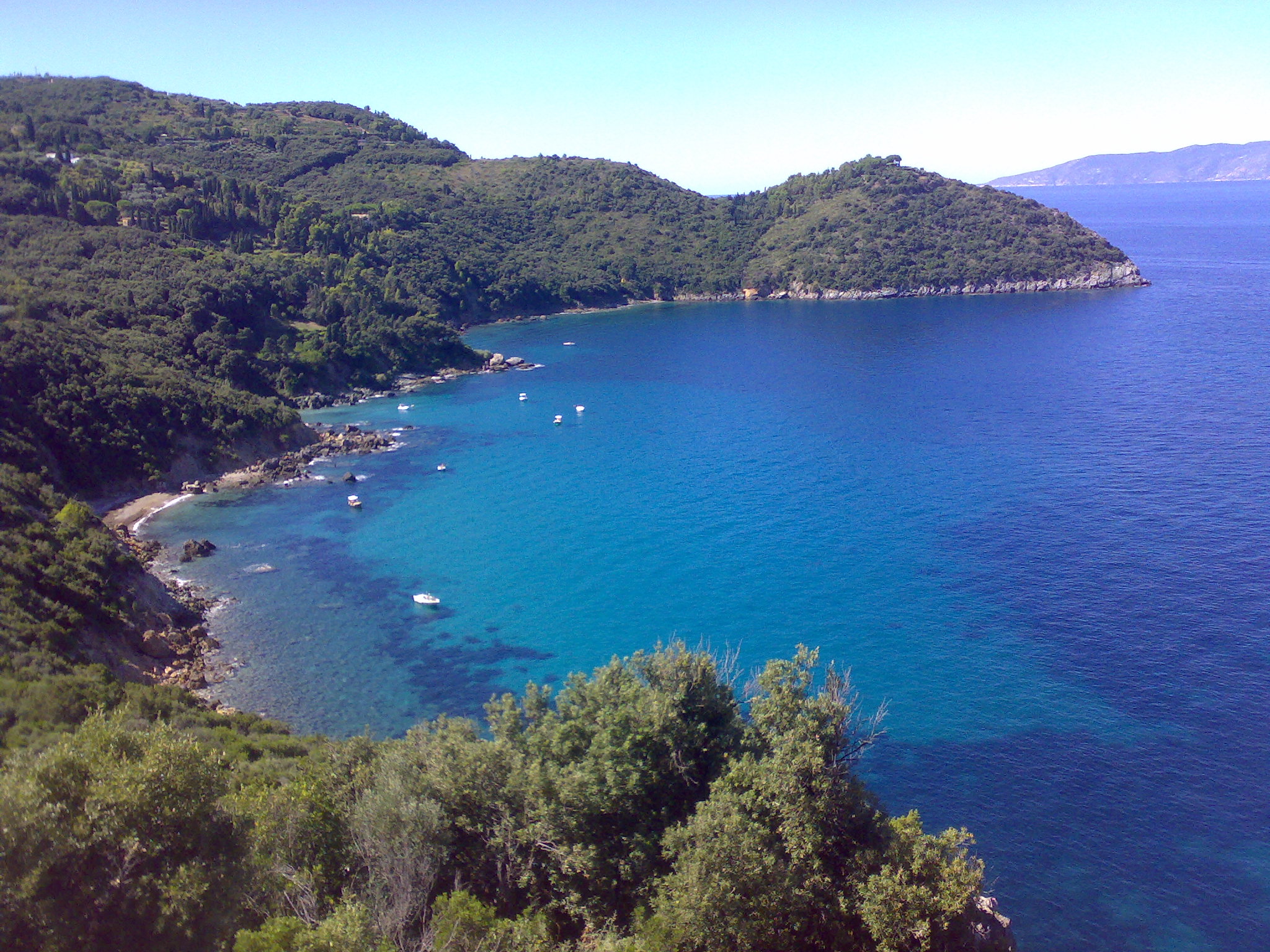
Argentario is not the sort of place that tries to convert you. It doesn’t hand you a brochure on mindfulness or place a hemp sachet under your pillow. It simply is. And that, I think, is the point. Built into the folds of Tuscany’s coastal hills, it sits gently in the land. No brash statements, no golf-cart parades. The design is art-deco sleek, imagine if a 1930s ocean liner decided to retire inland and take up yoga. The carts are electric. The spa smells faintly of pine, salt, and someone wealthier than you. And yes, the golf course is part of a certified eco-zone.
Which, on paper, is absurd. A sustainable golf course is only marginally less preposterous than a carbon-neutral yacht or guilt-free foie gras. Golf is the spiritual home of sprinklers, pesticides, and unapologetic acreage. It is not a natural ally of environmentalism.
And yet, standing on the 6th hole, hawks overhead and deer in the distance, I wasn’t thinking about biodiversity loss or climate graphs. I was thinking: this is exquisite. Not because it was curated within an inch of its life, but because it wasn’t. The fairways twist around ancient oaks and wild olive groves like they’re embarrassed to intrude. There are actual wild boar snuffling around in the thickets, which adds a certain frisson to your backswing.
It struck me then: maybe we’ve been marketing sustainability all wrong. Not as an act of moral martyrdom, but as a lifestyle upgrade. Less “save the planet for your grandchildren” and more “you’ll sleep better and smell nicer.”
Because that’s what Argentario does. It doesn’t give you a lecture; it hands you a towel and suggests a stretch class. You walk more, breathe deeper, and watch birds without once checking a field guide. The food helps, of course. Chef Emiliano Lombardelli offers up squid ink risotto that should come with a fainting couch. There are pink shrimp with olive oil ice cream, which sounds like a dare, but somehow tastes like destiny. The whole menu reads like a surrealist poem, but each dish lands with the precision of a haiku.
And the wellness centre? It’s not just a collection of rooms with vaguely tranquil music. It’s an architectural mood stabiliser. There’s a hydrotherapy circuit that feels like being politely waterboarded into relaxation, a bio-sauna that realigns your chakras (even if you don’t believe in chakras), and a massage so transformative I briefly considered giving up caffeine and resentment.
Yes, there are rooms from €370, suites from €810, and the Wi-Fi is excellent, which is a shame. You’ll be checking your emails while gazing out at a lagoon, slowly realising that you are the problem. You can also play tennis or padel, or take walks to local villages that are so picturesque they look Photoshopped by God.
I still don’t quite play golf, but I do now watch YouTube clips of people who do, mostly while lying on the sofa and wondering if I could pull off a visor. I understand the appeal now: the slow rhythm, the contained ambition, the mild existential crisis in every missed putt. There’s something comforting about it, especially when the course around you feels like it might start whispering ancient Etruscan poetry.
If I learned anything from this accidental pilgrimage to eco-golf, it’s that perhaps the future of sustainability doesn’t lie in fear, but in desire. We don’t need more graphs. We need better lighting and wild fennel. We need guilt-free decadence and fewer buzzwords. Not “net zero,” but “doesn’t smell like diesel.”
We don’t protect the planet because we should. We protect it because, in places like Argentario, we’re reminded of how astonishing life feels when we do. Not in 2050. But today. Over breakfast. In a bathrobe.
To misquote Durrell once more (I do like quoting him) : in the quiet of a Tuscan fairway, I didn’t just feel the inventions of spring, I felt the audacity of joy done responsibly.