




 BBC News
Borrowing was £17.4bn last month, the second highest October figure since monthly records began in 1993.
Anthony Seldon and Tom Egerton | Atlantic Books | £25
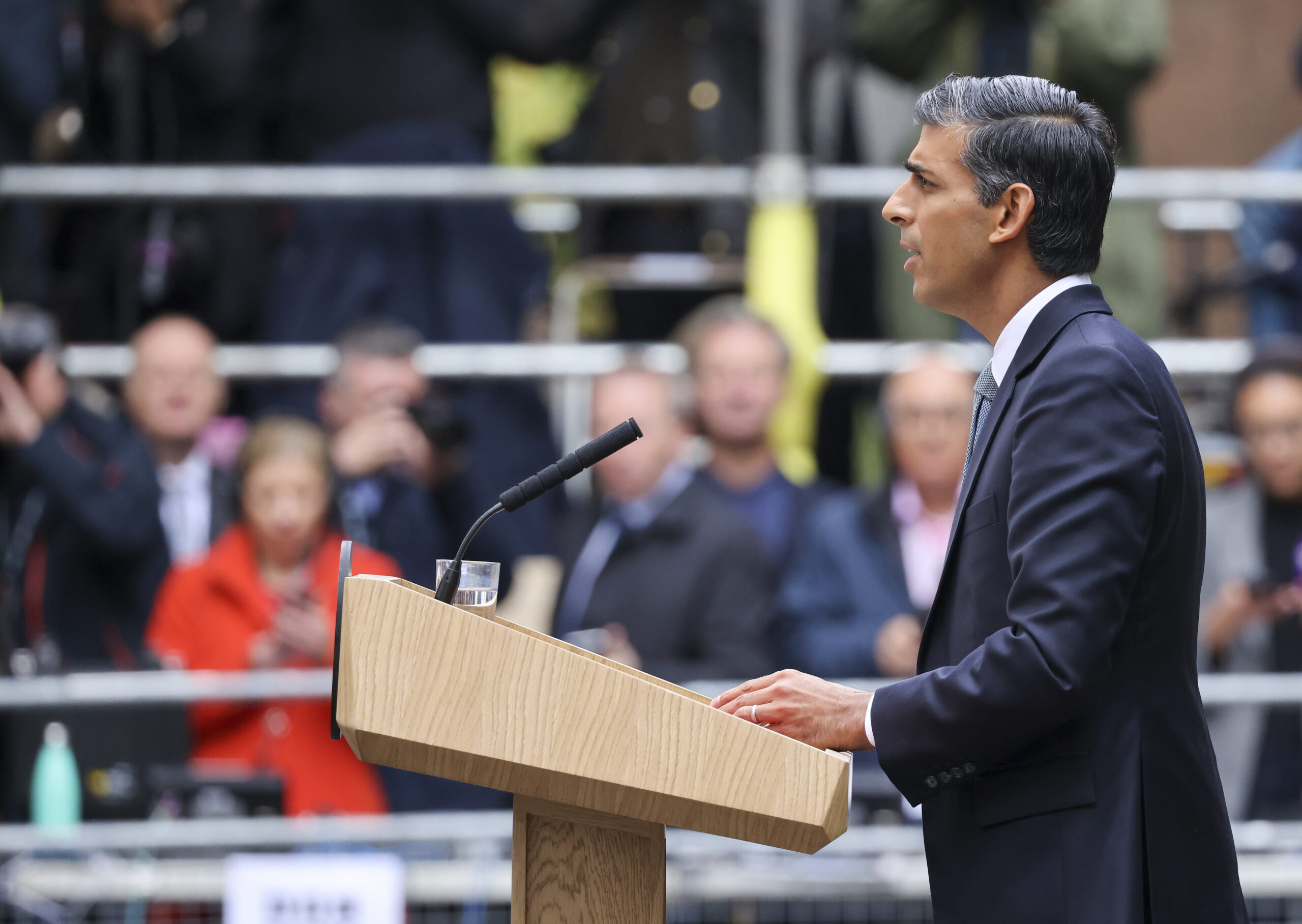
There are jobs for which no amount of preparation seems sufficient. Rishi Sunak’s arrival in Downing Street offers an unusually public example. The credentials were impressive, the appetite for hard work apparent. What remained uncertain was whether those qualities could rescue a government which had already exhausted so much of the public’s patience.
Anthony Seldon and Tom Egerton’s account examines that predicament through interviews with ministers, advisers and officials. Its scope takes in Sunak’s ascent to the Treasury as well as his premiership, asking how the qualities which propel somebody upwards serve them at the summit. The authors describe a “Goldilocks” moment, “when almost everyone is free and willing to talk”, but “before memories fade”. Readers should nevertheless retain an interest in what each participant wishes to be remembered, and what they might prefer forgotten.
The central question is how much of the failure belonged to Sunak. He inherited the consequences of Boris Johnson’s collapse and Liz Truss’s economic experiment, alongside a party whose internal disagreements had become a governing condition. Yet inheritance cannot explain every decision. The book’s interest lies in the space between circumstances and agency: what could another leader realistically have done with the same hand?
There is a danger, after an electoral defeat of this scale, of allowing the ending to dictate every judgement about what preceded it. Seldon and Egerton give attention to achievements as well as failures, including Sunak’s handling of Northern Ireland. That matters. A premiership can contain worthwhile decisions without acquiring an overall direction which persuades the electorate to renew its mandate.
For Finito World readers, the story raises questions familiar far beyond Westminster. How do you lead colleagues who disagree about the purpose of the organisation? When does careful consideration become indecision? And how do you communicate competence to people who have heard too many promises already?
We tend to discuss careers as though advancement were an uncomplicated good. A promotion brings more authority, a larger platform and the opportunity to put one’s ideas into practice. It also means inheriting relationships, habits and problems which no appointment letter can adequately describe. The condition of the institution matters as much as the calibre of the recruit.
Sunak’s experience makes a particularly severe case study. It invites sympathy without requiring acquittal, and scrutiny without requiring contempt. Above all, it reminds ambitious readers that reaching the top is only one part of the problem. There remains the question of what you can accomplish when you get there.