


 BBC News
Borrowing was £17.4bn last month, the second highest October figure since monthly records began in 1993.

Sarah Tucker
At Prunella Scales’ memorial at Chelsea Old Church, John Cleese landed a line so beautifully that the laugh arrived before one had quite registered the depth of it. Pru, he suggested, was not merely nice. She was nicer than Michael Palin.
This is an Olympic level of niceness. A photo finish in cardigan decency. It sounds absurd until one realises it is also a serious business proposition.
In entrepreneurial circles, “nice” is usually treated as a decorative extra, like decent coffee in reception or a mission statement nobody has read since the stationery was ordered. We admire toughness, disruption, speed. We admire the founder who enters the room like a weather system and leaves behind assistants, lawsuits and motivational quotes. We confuse volume with vision, attack with leadership, and not apologising with not being wrong.
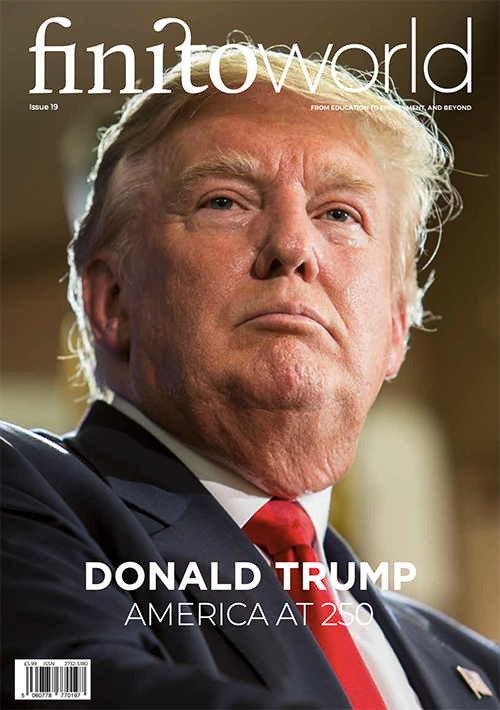
There is, of course, the Trumpian school of advancement: never admit you are wrong, never admit you have lost, and if all else fails, attack so hard that everyone forgets the original question. It can work, in the way a fire alarm works. It gets attention. It clears the room. It also leaves people standing in the street, slightly deafened, wondering why they ever trusted the building.
Prunella Scales represented another model. She reached the top without appearing to trample over everyone to check the view. She was precise, disciplined, formidably intelligent and, by all accounts, kind. Not soft. Not vague. Not one of those people who says “let’s circle back” when what they mean is “I have hidden the body under the flipchart”. She was nice in the demanding sense: attentive, courteous, professional, awake to other people.
That distinction matters. Niceness is not philanthropy. Philanthropy can be marvellous, but it can also arrive with tax efficiency, a gala table, a photographer, and the faint hope of a gong. This is not about being generous once one has made enough money to become strategically generous. It is about the conduct that precedes success, accompanies success, and survives success.
For entrepreneurs, nice is not a moral accessory. It is an operating system.
Nice reduces friction. Nice makes people tell you the truth sooner. Nice keeps talent in the room. It means the junior person may dare say, “I don’t think this works,” before the product launch, rather than after the investors discover it for themselves and start using legal stationery. Fear produces silence. Courtesy produces intelligence.
Edward de Bono would have enjoyed the provocation. Take the word “nice”, and turn it laterally. What if nice is not weakness but accuracy? What if nice is not passivity but perception? Using de Bono’s OPV — Other People’s Views — niceness becomes a thinking tool. It is the discipline of considering how the customer, employee, investor, supplier, critic, waiter, rival and person who cleans the office might see the same situation. This is not sentimental. It is commercial intelligence.
Jung might have said that the performance of niceness can become a persona: the polished public face hiding the shadow underneath. We have all met that type. The smile is laminated; the resentment is in the basement doing press-ups. But mature niceness is different. It knows it could be cruel, vain, competitive, sharp, impatient and jealous, and has decided not to let those impulses run the payroll.
Freud would probably have charged by the hour and asked what our obsession with domination was really about. Much ruthless leadership is not strength but narcissistic hunger: the need to convert every room into an audience and every disagreement into an insult. The strong ego can tolerate being corrected. The fragile ego needs victory even when it is standing in the wreckage wearing a party hat.
Pru could play Sybil Fawlty because she understood irritation without becoming its servant. Sybil is not nice. Sybil is a telephone cord, a hairdo, a war cry and a domestic weather warning. Yet Scales gave her precision, rhythm, intelligence and humanity. She knew comedy depends on exactness. Her own notes on acting, included in the memorial programme, were practical and beautifully sharp: phrasing, stress, lists, antithesis. The craft beneath the laugh.
That is another entrepreneurial lesson. Nice is not enough if you are useless. Niceness without competence is a scented candle in a power cut. But competence without niceness can become an expensive form of vandalism. The best founders, like the best actors, know where the stress falls. They know when to speak, when to listen, and when to let another person take the line.
The market often rewards the loud, but it remembers the trustworthy. Reputation is not brand. Brand can be bought, polished and, with enough money, made to look as though it has cheekbones. Reputation is what people say after the invoice is paid. It is whether they would work with you again. It is whether your name opens doors or merely explains why everyone has suddenly gone quiet.
Prunella Scales leaves a different entrepreneurial question behind her. Not: how do I win? But: what sort of person do I become while winning? De Bono wanted to be remembered not simply for thinking differently, but for doing good. That phrase sounds unfashionable now, like a hymn book found in a venture capital office. Yet it may be the most radical ambition left.
At the memorial, “nice” did not feel small. It felt exact. It described a woman loved not because she was bland, but because she was bright, funny, rigorous, generous and fair. In a world overstocked with people mistaking cruelty for charisma, that is not merely touching. It is disruptive.
The Prunella Principle, then, is this: being nice will not save a bad idea, rescue a weak product or replace hard work. But if you have talent, intelligence and stamina, niceness may be the multiplier. The compound interest. The quiet advantage.
And unlike most entrepreneurial strategies, it does not require a podcast, a pitch deck, or a man in trainers explaining authenticity at £1,200 a ticket.
It simply requires the discipline to be decent before the applause begins, while it is happening, and after everyone else has gone home.