



 BBC News
Borrowing was £17.4bn last month, the second highest October figure since monthly records began in 1993.
Finito World
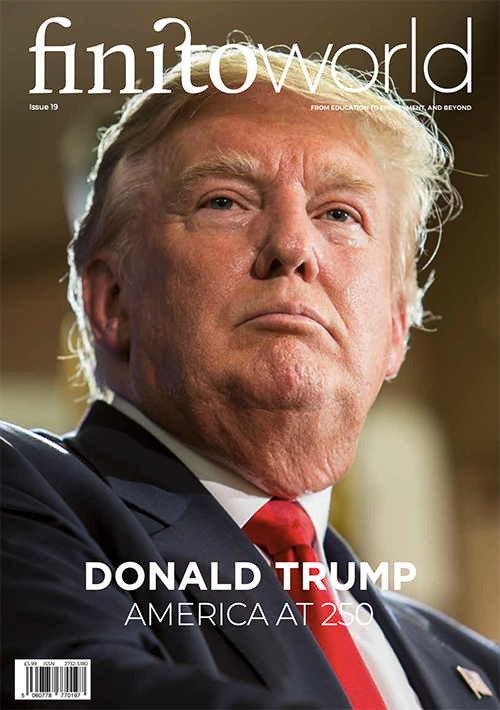
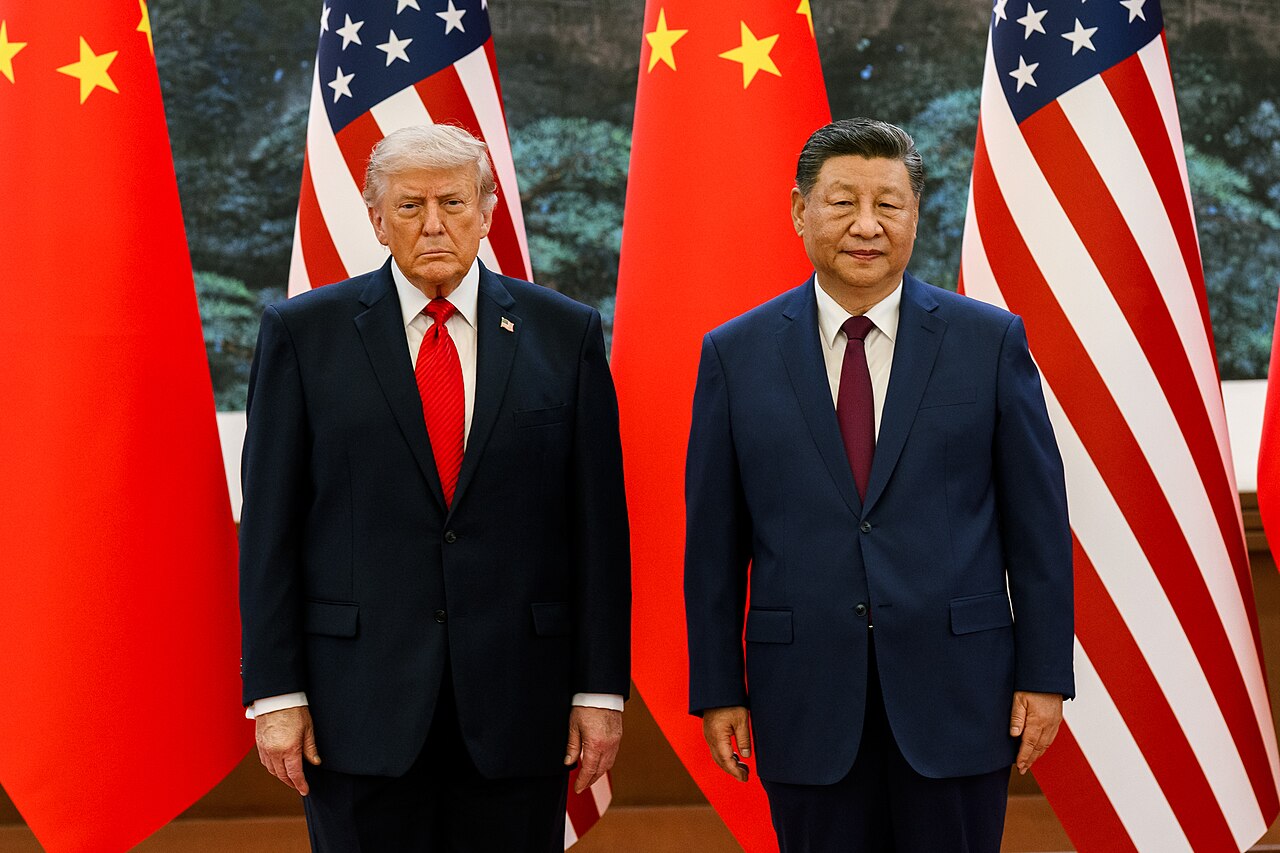
Strip away the pandas, the pageantry and the geopolitics, and the latest meeting between Donald Trump and Xi Jinping was also about something much closer to home: where the jobs of the future will be.
The extension of the US-China trade truce until January prevents an immediate escalation, but it hardly amounts to a settlement. Competition over semiconductors, artificial intelligence, advanced manufacturing and critical minerals continues. Increasingly, the contest between the two superpowers is not simply about who sells more goods. It is about who possesses the technology, skills and industrial capacity on which the next generation of work will depend.
For the United States, that means a continuing effort to bring strategic production closer to home. Tariffs and restrictions on advanced technology may protect or create some manufacturing jobs, but they also make certain inputs more expensive. The more durable employment opportunity lies in the vast ecosystem around AI, chips, energy, robotics, engineering and advanced manufacturing. The premium on technical skills is likely to continue rising.
For China, the picture is more complicated. Its factories remain extraordinarily competitive: August exports were 25 per cent higher than a year earlier, with high-tech exports particularly strong. But industrial strength is not yet translating into enough jobs and confidence at home. Urban unemployment among 16-to-24-year-olds excluding students reached 18.9 per cent in August, while consumption and property remain weak. China therefore faces a peculiar employment challenge: it may become still better at making the technologies of the future while struggling to generate enough attractive work for its own young people.
And then there is the UK. Britain cannot compete with either country on scale. Its opportunity is instead to occupy the valuable territory between them: research, AI, finance, professional services, design, science, specialist engineering and high-value manufacturing. But that requires skills. China’s industrial advance is already putting pressure on established European manufacturing strengths.
The lesson for young people is not that globalisation is ending. It is that globalisation is changing shape. The safest assumption is that technology, trade and national security will become increasingly intertwined. Workers who can combine technical competence with the things machines and geopolitical blocs find harder to reproduce — judgement, communication, creativity and adaptability — should therefore become more valuable.
Trump and Xi are negotiating over tariffs and Taiwan. But beneath those negotiations lies another contest: who will build the industries of the future, and who will be ready to work in them?